

Decodable texts are most commonly used in the primary grades. But what if your third, fourth, or fifth graders are struggling to read grade-level texts? Should you use decodable passages for older students, or stick with grade-level texts so they don’t fall further behind?
In this post, I’ll talk about when it’s appropriate to use decodable texts with older students, where to find good decodable passages for older students, and when to transition students away from decodable texts.
Why Use Decodable Passages for Older Students?
Research shows the benefits of decodable texts. They can improve accuracy, reduce guessing, and support orthographic mapping. (Source) In other words, they allow students to practice the phonics skills they have actually been taught.
But decodable texts can also be somewhat limiting. Ultimately, we want our students to be able to apply the skills they have learned using decodables to more authentic texts. So, why might you use decodable passages with an older student?
Here are a few reasons:
1️⃣They are struggling with accuracy when reading:
If a student frequently guesses at words (even words that should be decodable based on what they’ve learned), spends a lot of time sounding words out, and often reads words inaccurately, it’s probably a sign that they have some gaps in their phonics skills.
2️⃣They need to build their fluency and/or confidence:
Some students read accurately, but their speed and prosody need improvement. Decodable passages can be a great way to help these students build their confidence and become more fluent readers.
3️⃣They need to work on a specific phonics skill:
Let’s say you notice a student constantly decodes words with the diphthongs ow and ou incorrectly. This would be a great time to pick a decodable passage with that phonics skill and use it as an intervention lesson.
How to Find Decodable Passages for Upper Elementary Students
One problem with using decodable passages in older grades is that they are often geared towards younger children. Many decodable texts can appear babyish, and some just aren’t engaging for older readers – they’re often repetitive and nonsensical.
Older students may feel embarrassed to read decodable passages if their peers are reading far more challenging texts. The good news is that there are options out there. When looking for decodable texts for older students, here is what to check for:
- Avoid decodables with oversized pictures and childish clipart
- Choose full-page passages over printable books
- Look for content-rich passages with academic vocabulary
- Choose decodables that include multisyllabic words
💻Flyleaf Publishing Ebook Library
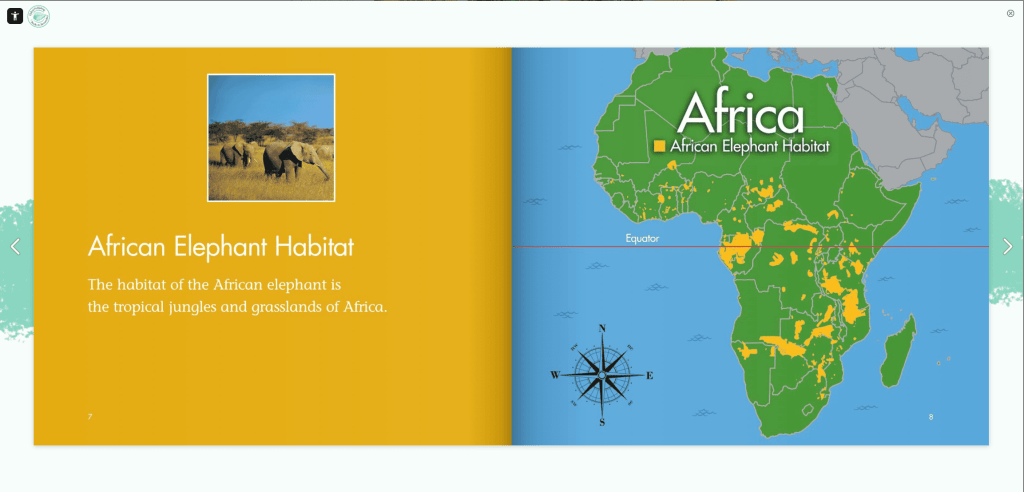
Admittedly, this first option doesn’t follow the first two rules I mentioned above. These decodables are books, not passages, and they have big pictures on every page. But I’m including these decodable books because I find them very engaging for older students. The illustrations are beautiful, and the nonfiction books include real photographs.
I find that nonfiction texts are especially engaging for upper elementary students. This library includes titles like Interesting Elephants, Amazing Snakes, and Plates, Quakes, and Glowing Magma. These books are about 80% decodable, and they include multisyllabic words starting with books 15-21. They provide a good amount of challenge for older readers.
I personally used these books with my third grade students, and they loved them. As of right now, the E-Book library is completely free to use. The only downside is that you can only use these books in a digital format. There are physical copies of the books available for purchase.
I designed my decodable passages with upper elementary students in mind. These passages are printable PDFs with a full-page format. Some include one simple picture, while others do not have any pictures. They’re a bit easier than the Flyleaf decodable books, being that they’re around 90% decodable.
These passages include fiction and nonfiction topics. Nonfiction topics include panning for gold, hedgehogs, The Great Plains, railroads, healthy eating, pickleball, squid facts, and more. The passages are designed to provide opportunities for deeper comprehension.
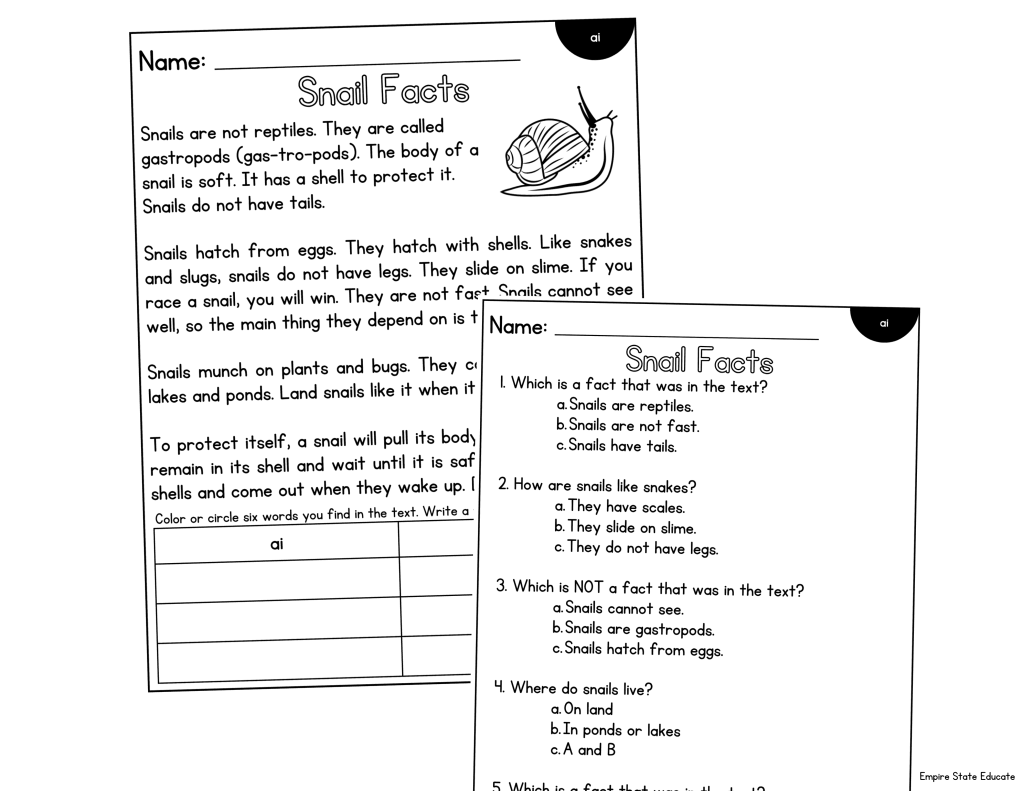
You can grab a free sample of the decodables below.
When to Transition Students Away From Decodable Text
We obviously can’t expect students to exclusively read decodable texts forever. They need to encounter irregular words to learn how to tackle them. Plus, students need to be able to access content-rich academic texts, regardless of their decodability.
So here are my tips for the transition:
❌Don’t go cold turkey.
- Don’t try to have a student go from reading 95% decodable passages to reading straight out of a science textbook.
- Instead, gradually reduce the percentage of words that are decodable. Move from passages that are 90% decodable to 85%, then 80% decodable.
🧠Be prepared to scaffold.
- Anticipate words or sentences that will be particularly difficult to decode. Consider preteaching these words, and be there to support when necessary.
- Note: Scaffolding doesn’t mean telling students any words they don’t know. Break down the words together and model strategies they can use.
✅Practice makes progress.
- When you first start making the shift away from decodables, it can be challenging for many students. Don’t throw in the towel (unless they are struggling with even the decodable words and need reteaching).
- The more students build their knowledge and vocabulary, the easier it will get. And one of the best ways to build knowledge and vocabulary is through content-rich texts!
Decodable texts can help students of any age build strong foundational skills that they can eventually apply to any text. Ultimately, decodable texts should be used as a tool to help students access more challenging texts down the road. If you want to learn more, check out my five-step routine for using decodable passages to help struggling readers.