According to The Nation’s Report Card 2024 report, two-thirds of United States fourth graders are struggling with reading. (Source) If you’d like to learn more about why reading proficiency in the United States is so low, I highly recommend listening to the podcast Sold a Story.
In this post, we’ll discuss a simple, five-step routine to help struggling readers in grades 2-5 strengthen both their decoding and comprehension skills and build their confidence.
🔎First, Let’s Diagnose the Problem
To figure out what our readers are struggling with, let’s look through the lens of the Simple View of Reading. The Simple View of Reading is a theory that defines successful reading as the product of word recognition (decoding) and language comprehension. Here’s what it looks like:
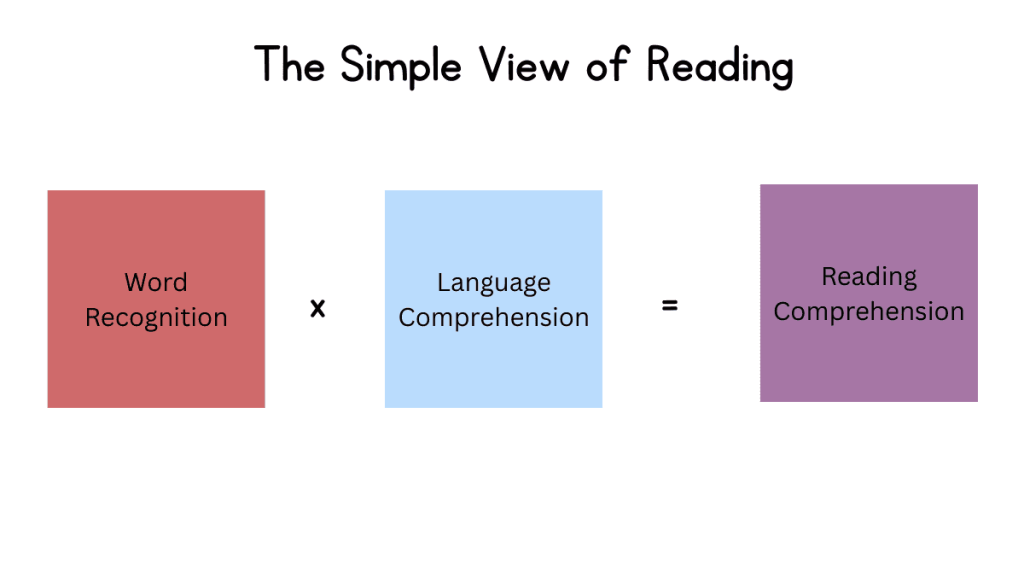
A student is most likely struggling with word recognition (decoding) if they:
- Often decode words inaccurately (saying “steam” when the word is “stream”)
- Frequently spend a lot of time sounding out words while reading
- Often attempt to guess words when reading
A student is most likely struggling with language comprehension if they:
- Decode words accurately, but are unsure what they mean
- Struggle to make connections and draw conclusions when reading
- Struggle to understand figurative language and vocabulary
If a student is struggling with reading comprehension, poor word recognition is often the problem. But many students struggle in both of these areas. The good news is that we can target word recognition and language comprehension skills at once.
Using Decodable Passages to Help Students Who Are Struggling with Reading
Decodable passages are reading passages in which most or all of the words follow phonics patterns that students have already learned. They typically also include a few irregular “sight words.”
There is extensive research that shows the benefits of decodable texts. They improve accuracy, reduce guessing, and support orthographic mapping. (Source) In other words, they allow students to practice the phonics skills they have actually been taught. High-quality decodable passages can also help build comprehension and fluency.
To find the right phonics skill to start with, I have a free phonics screening assessment ready for you to use. It includes one-syllable, two-syllable, and multisyllabic words, so it works for all grade levels.

Free Phonics Screener
Download the free phonics screener to figure out exactly where to start.
We respect your privacy. Unsubscribe anytime.
Simple 5-Step Routine for Students Struggling with Reading
Once you’ve figured out where to start and selected your decodable passage, here is a simple 5-step routine for building both decoding and comprehension skills. This routine is great for any setting, whether it’s a small reading group, 1:1 intervention, or home practice.
➡️Note: This routine does NOT need to be done in one lesson. Depending on your students and the amount of time you have, it can be stretched out over multiple days.
🔤1. Practice with Words First
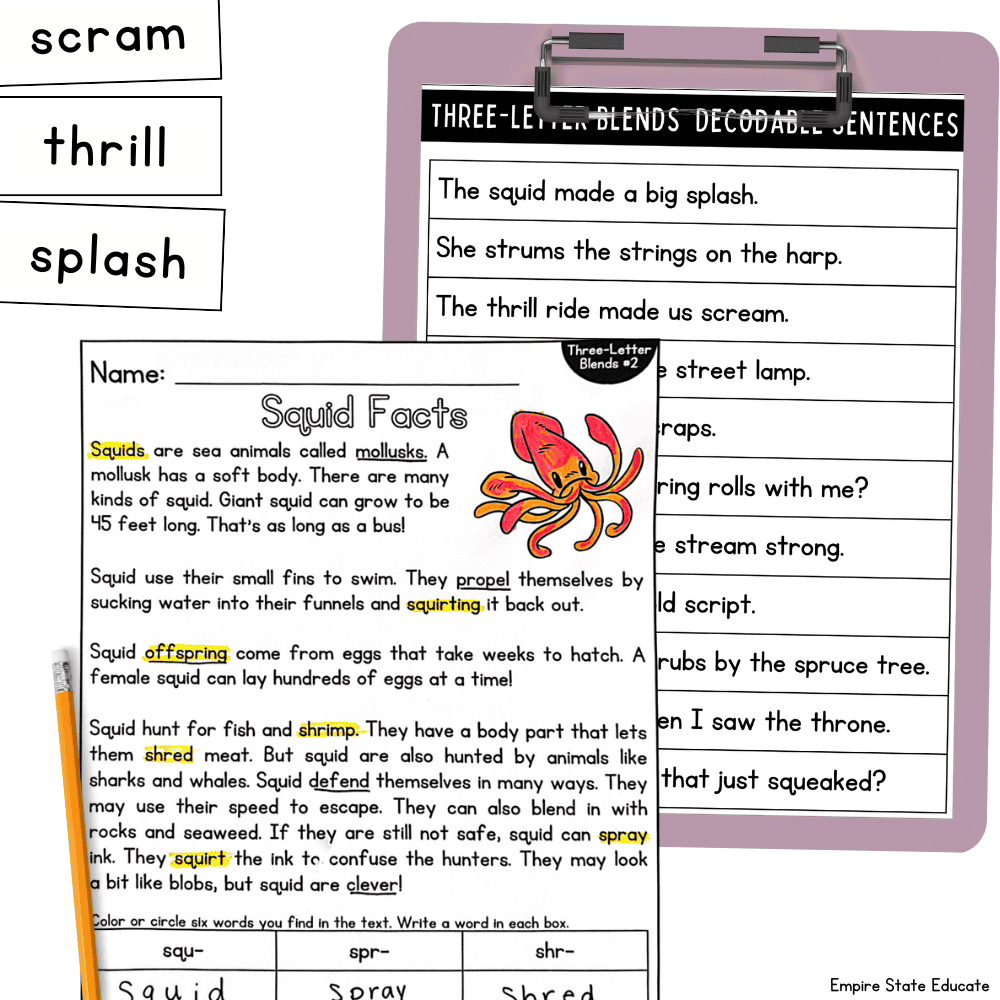
Before diving into the passage, begin with words in isolation. Have students practice decoding words with the target phonics skill. I like using word cards because they’re great for sorting and games.
You can also provide an additional layer of support by having students practice with decodable sentences before reading a full passage.

🧠2. Build Background Knowledge & Preview Vocabulary
It’s easy to assume that students know more than they do. We should never assume this!
Always preview the text to get a sense of the essential background knowledge and vocabulary students will need to be successful. We know from research that knowledge about a topic is just as important as decoding abilities. (Source)
🚨Don’t underestimate the importance of this step! Even the most basic decodable texts can have tricky vocabulary. I was recently using a CVC passage with a second grader that included the word “nab.” It may be an easy word to decode, but many students won’t know what it means.
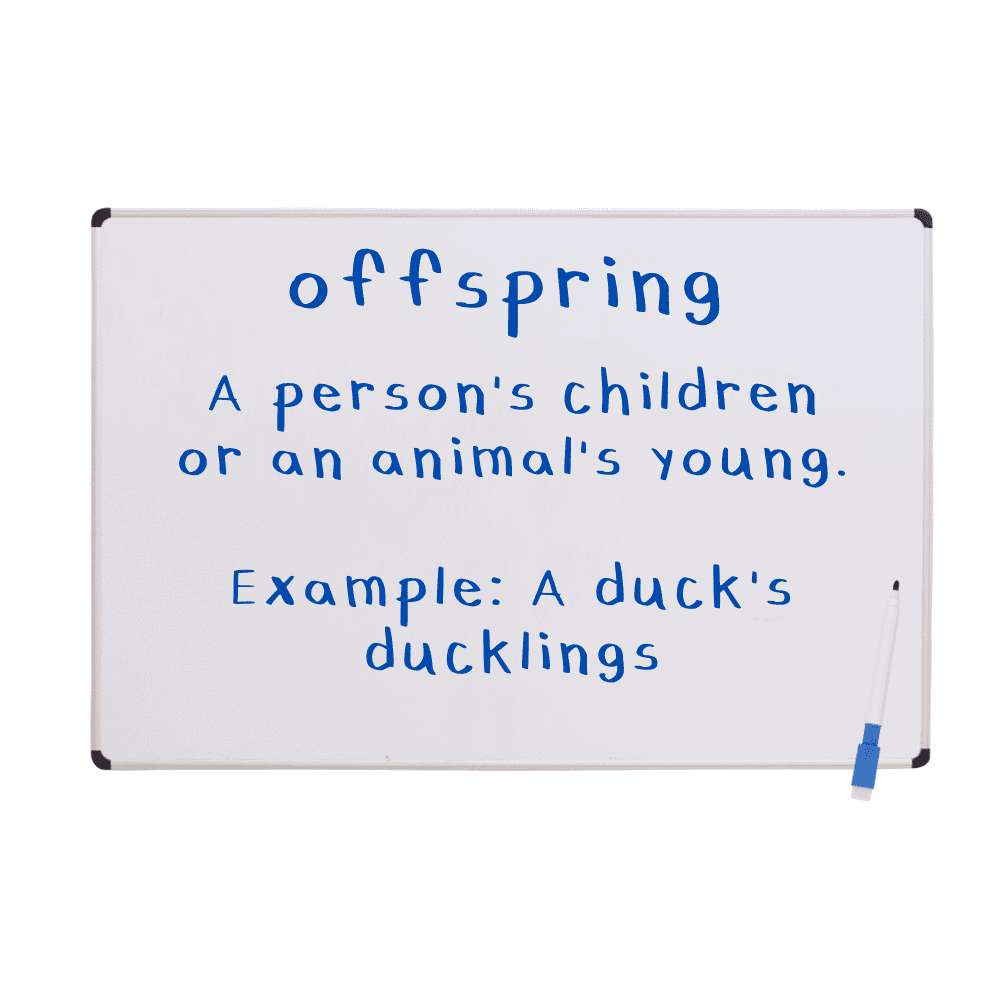
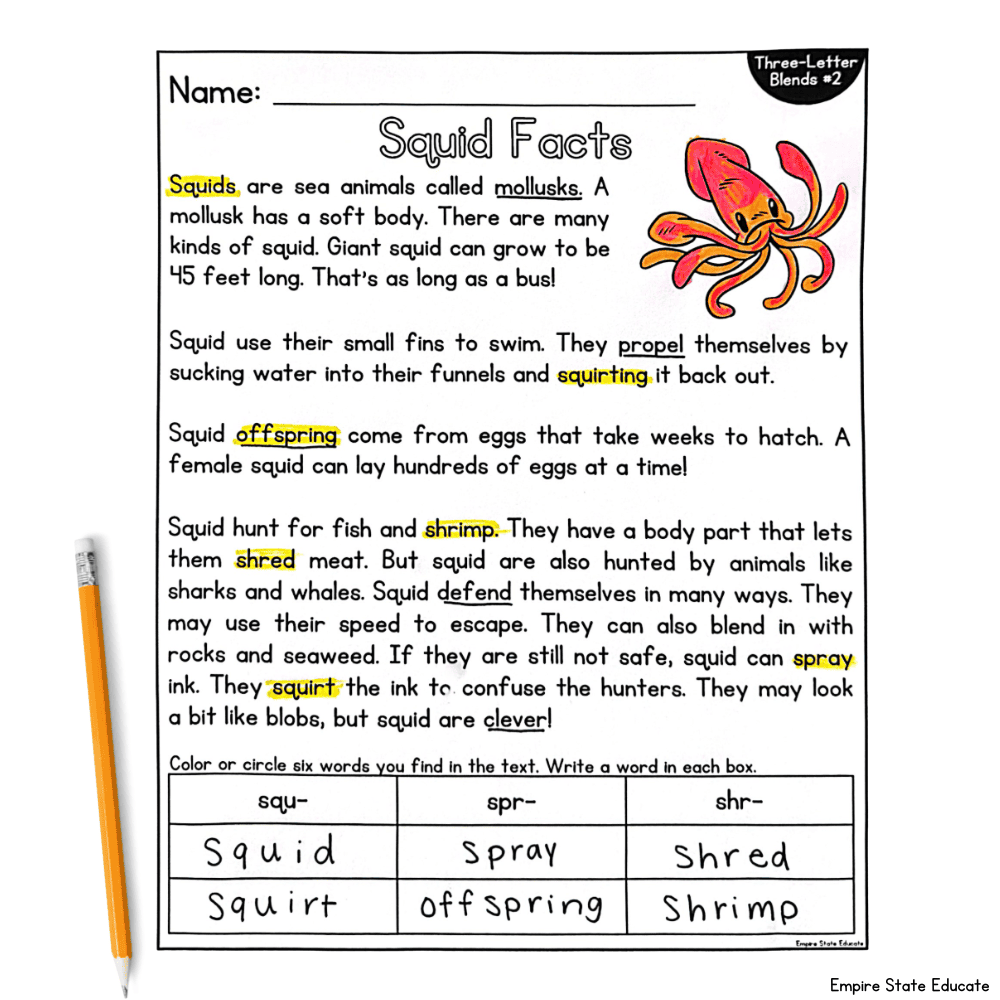
I like to pre-teach a few vocabulary words. We’ll talk about each one’s definition, examples, and nonexamples. Then, I’ll have students find and underline the words in the text.
📖3. Read the Passage
Now, it’s time to have students read the passage. If you’re working one-on-one, I recommend having them read the passage aloud to you. This allows you to give immediate feedback, and it also allows the child to hear themself reading aloud, which helps build fluency.
When working with multiple students (like in a small reading group), I like to go around the table and have each student read a portion of the text aloud to me. (I don’t make them wait for me; they whisper-read and then I “listen in” to whatever section they are currently reading.)
🗨️4. Discuss & Dig Deeper
When using decodable texts, it’s easy to make the mistake of moving on too quickly. But remember, successful reading is the product of word recognition and language comprehension. Don’t miss the opportunity to work on both!
Many decodable passages include comprehension questions, which provide a great starting point for your discussions. You’ll also want to circle back to tricky vocabulary or complex sentences.

📋5. Assess & Repeat
Before moving on to a new phonics skill, we need to make sure the student is ready. This can be as simple as listening to the student read and marking down any errors they make. My decodable passages also include rapid word-reading charts for assessing accuracy.
Generally, we want to see at least 90% accuracy before moving on to a new phonics skill. Don’t throw the passage in the recycling bin yet, though. I recommend saving it for repeated readings. Research shows that repeated reading is an effective strategy for building fluency. (Source)
💡Quick Tip: I kept gallon-sized ziplock bags of previously read passages with each of my students’ names on them. When they came to my table for reading group, I gave them their bag, they picked a passage, and they spent the first 2-3 minutes rereading it.

Where to Find My Decodable Passages
The passage I used in my example above is FREE inside my TPT store. You can grab that, along with two other free passages, by clicking here.
I have decodable passages for dozens of phonics skills in my TPT store. You can browse them all to find the ones you need, or grab the big bundle by clicking here.
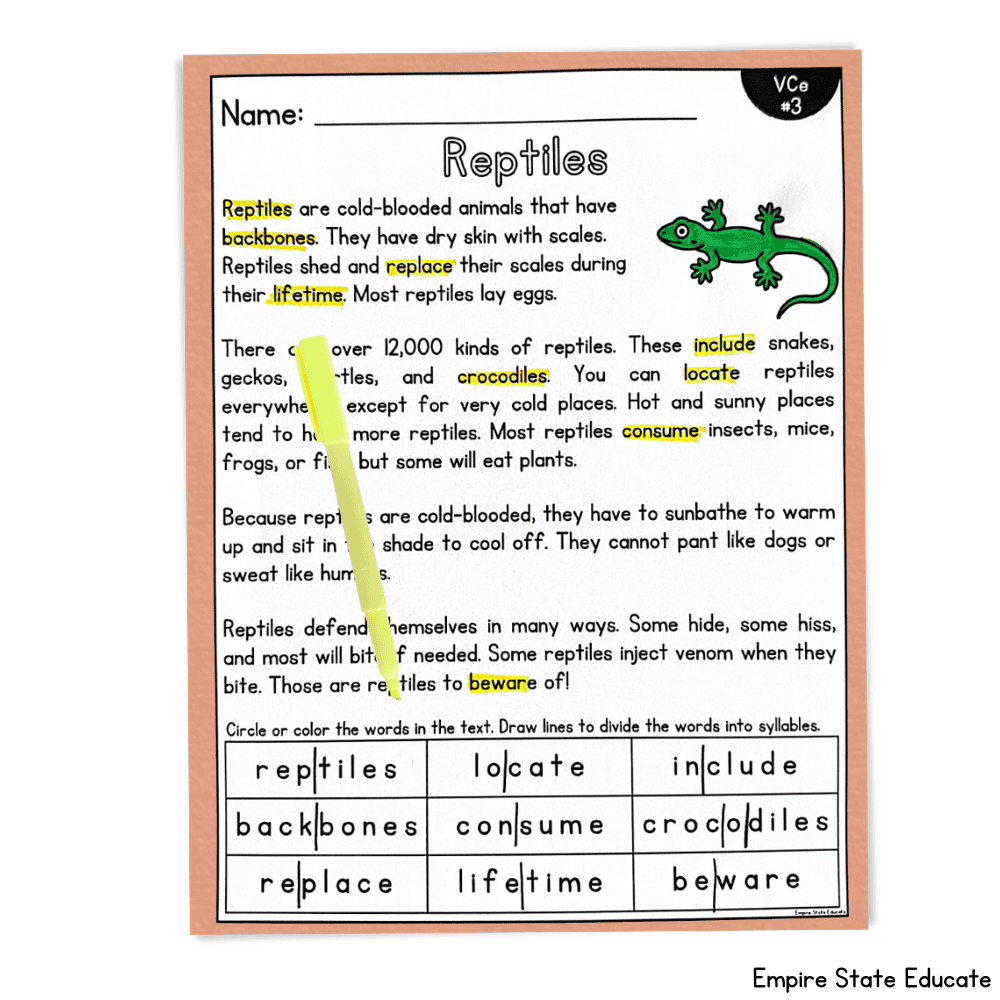
I also have free 2-syllable silent e word passages available for FREE to my email subscribers. You can grab those by signing up here:
Free Decodable Passages
Download a free sample of my decodable passages – perfect for building fluency and comprehension with text students can actually read! Ready to print for centers or small groups!